What is Laser Marking and how does it work?
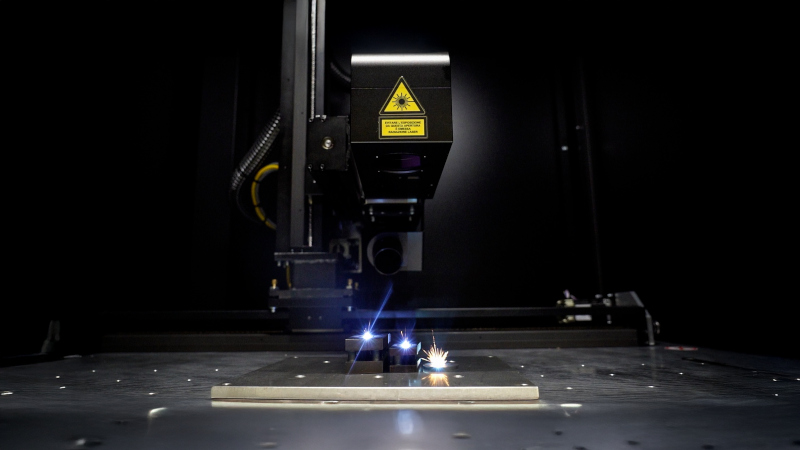
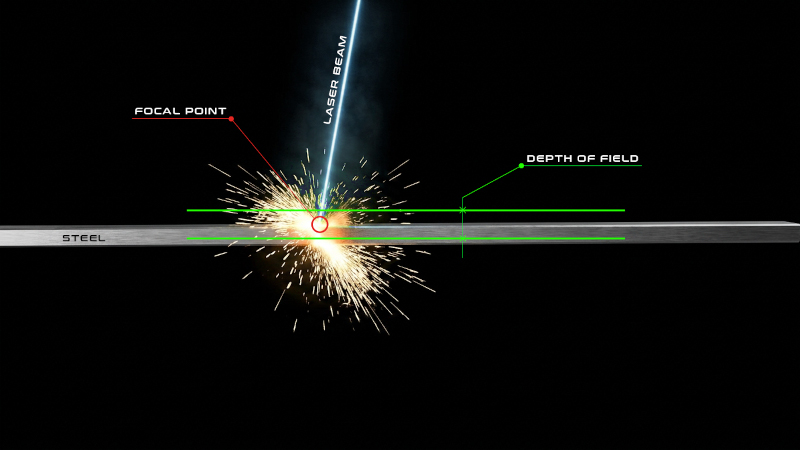
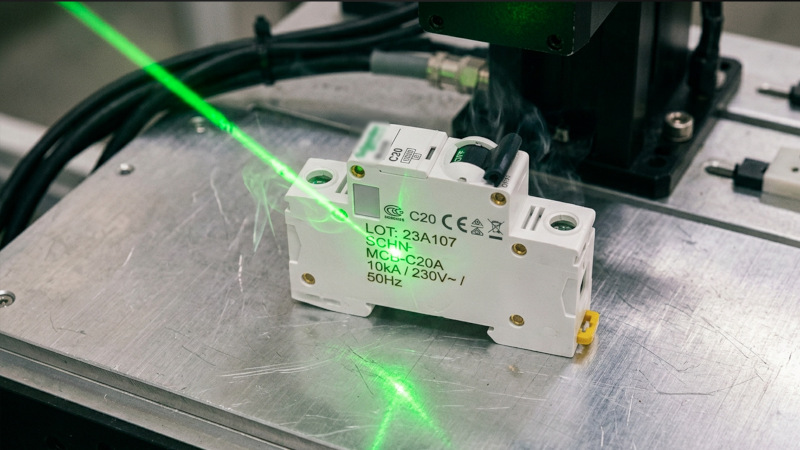
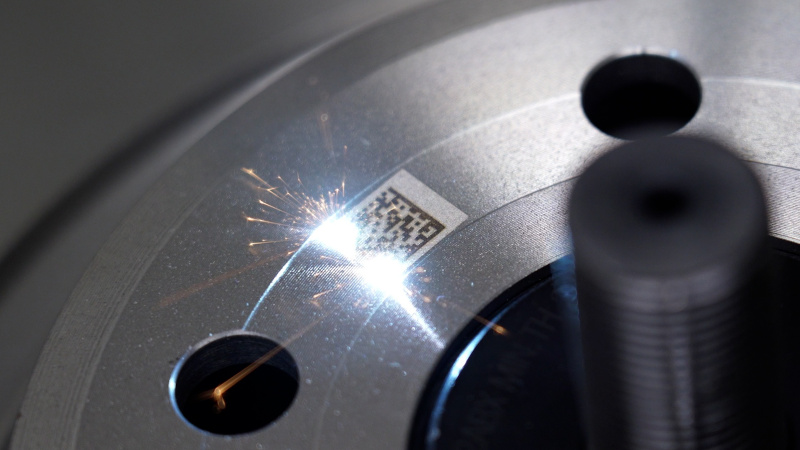
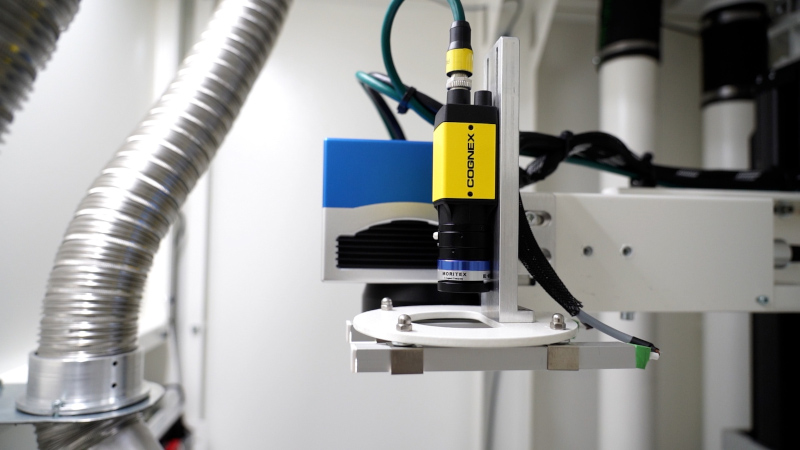
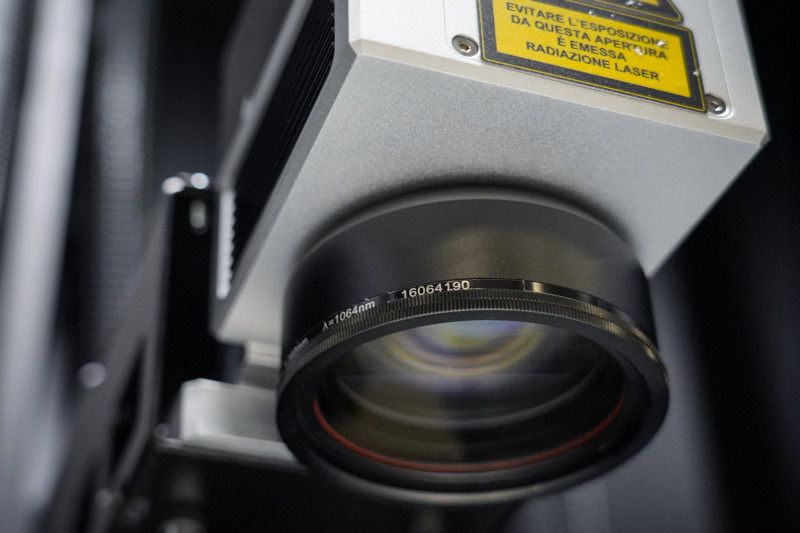
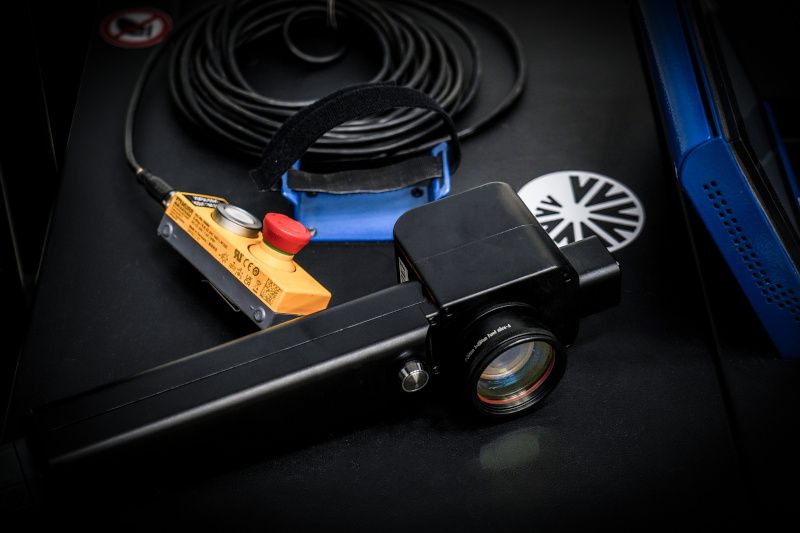
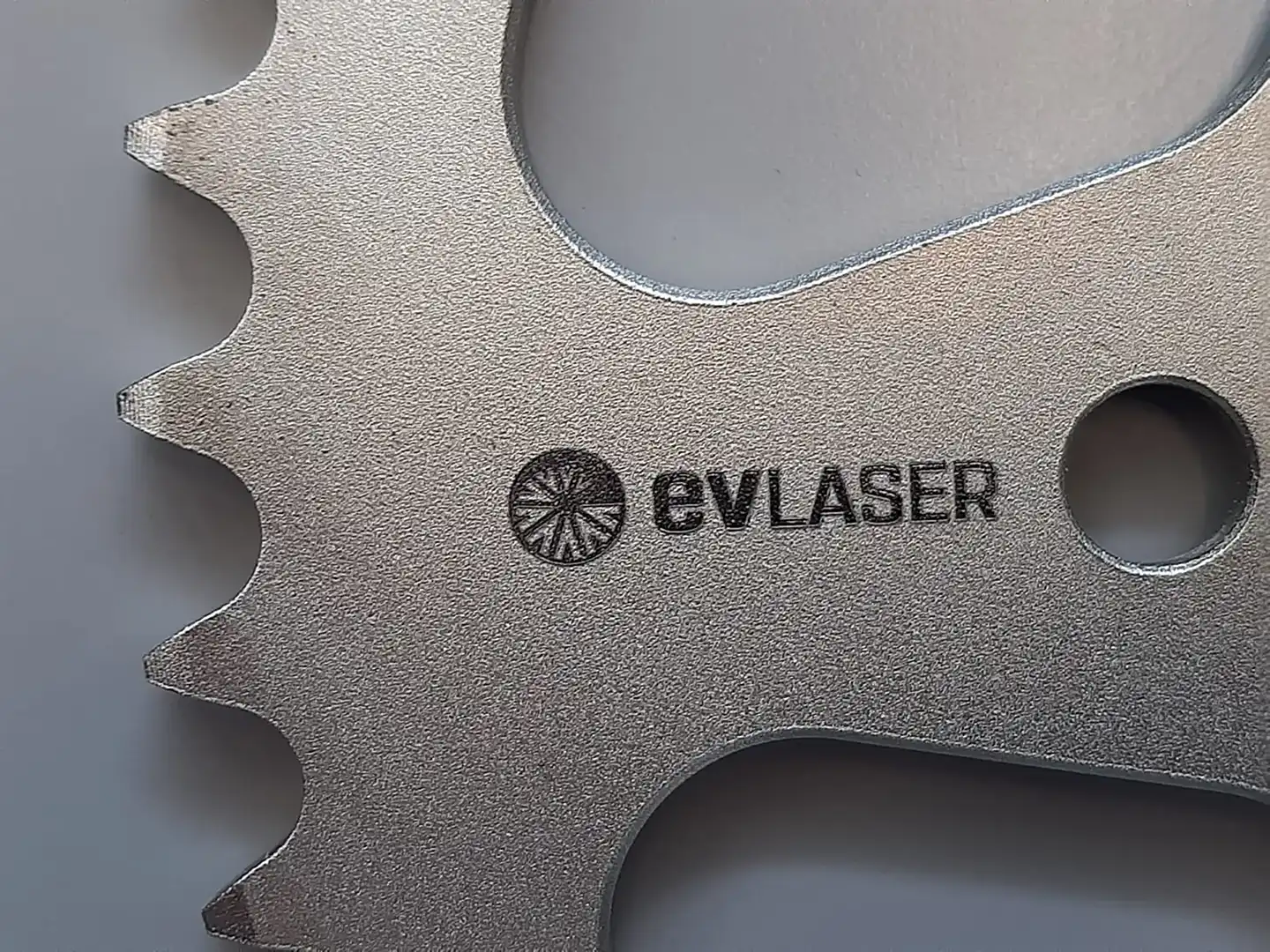
Laser marking technology utilizes a focused laser beam to modify the surface characteristics of materials through vaporization, carbonization, or localized oxidation. The laser marking system employs a laser head equipped with two or more galvanometer mirrors that direct the beam during processing with extremely high speed and precision. The primary application of industrial laser marking is product traceability, serving as a permanent marking solution for texts, logos, or functional surface treatments on materials using a fiber laser marking machine.
Knowing the technology is one thing. Integrating it into a production line that never stops is another. That’s what we’ve been doing since 1978.


Why choose EVLaser?
01
Decades of experience
02
Strategic geographic location
03
Reliability and technical support
04
Industrial quality at competitive prices
How to choose the Laser source for Industrial Marking
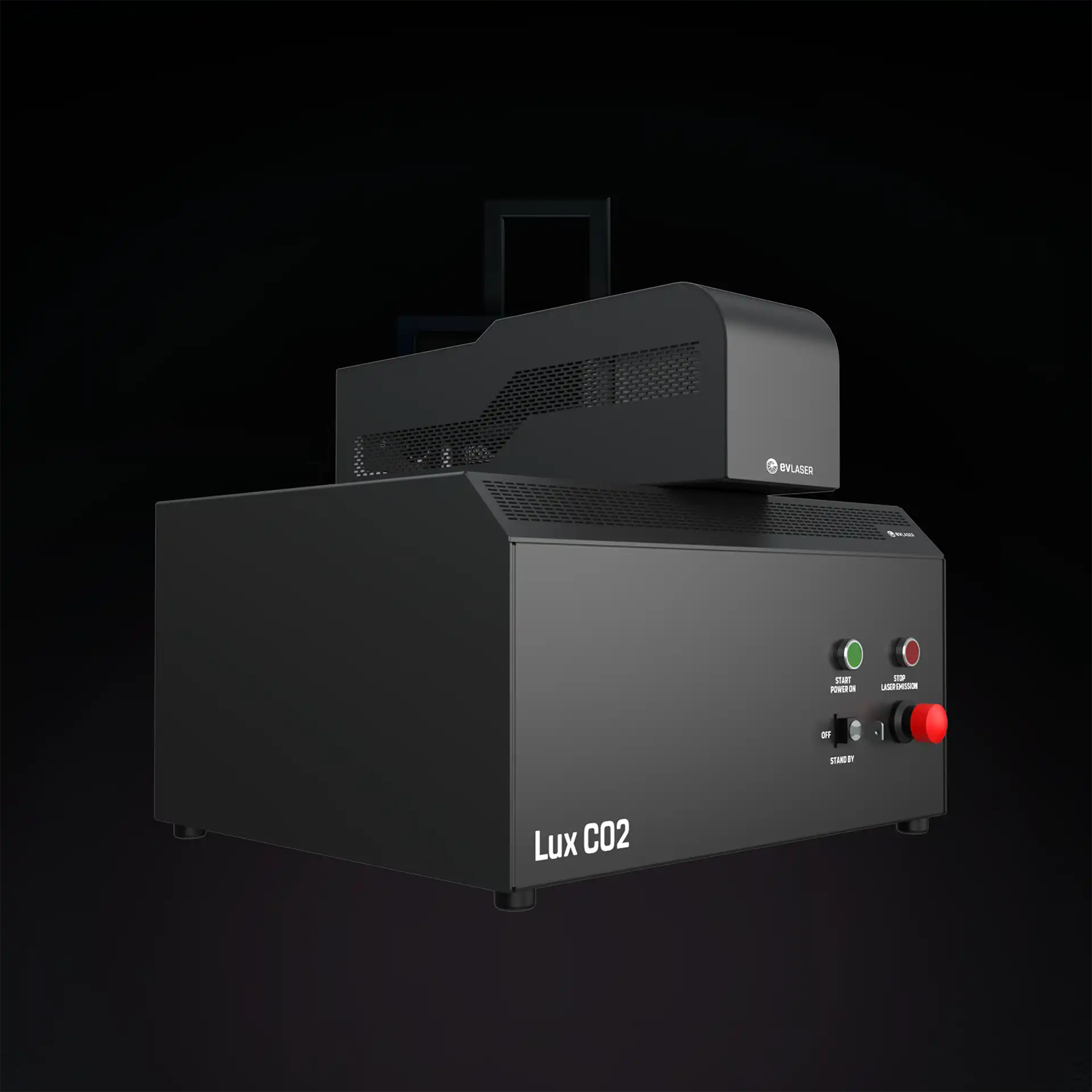
The choice of laser source determines the marking result far more than process parameters. Fiber optic sources operating at 1064 nm represent the standard for metal marking: long service life, low maintenance, and high energy efficiency make them the dominant choice in manufacturing. MOPA sources extend fiber capabilities through independent control of pulse duration and frequency, enabling black marking on stainless steel and processing of anodized aluminum without surface damage. CO₂ sources, operating in the far infrared at 10,600 nm, are optimal for organic materials, plastics, and glass, where fiber wavelengths are not absorbed. Green (532 nm) and UV (355 nm) sources operate at shorter wavelengths with very low thermal energy pulses, ideal for heat-sensitive materials such as semiconductors, ceramics, and high-purity polymers. The table below provides a direct comparison between technologies.
|
Source |
Wavelength |
Materials |
Maintenance |
|
Fiber |
1064 nm |
Steel, aluminium, copper, titanium |
Up to >100,000h |
|
MOPA |
1064 nm |
Stainless steel, anodized aluminium, coloured metals |
Up to >100,000 |
|
CO2 |
10.600 nm |
Plastics, glass, wood, leather, paper |
Medium-low |
|
Green |
532 nm |
Some plastics, copper, gold, reflective materials, PCB |
Medium — more complex source |
|
UV |
355 nm |
Most plastics, semiconductors, ceramics, polymers, glass |
Medium — more complex source |
Discover our products
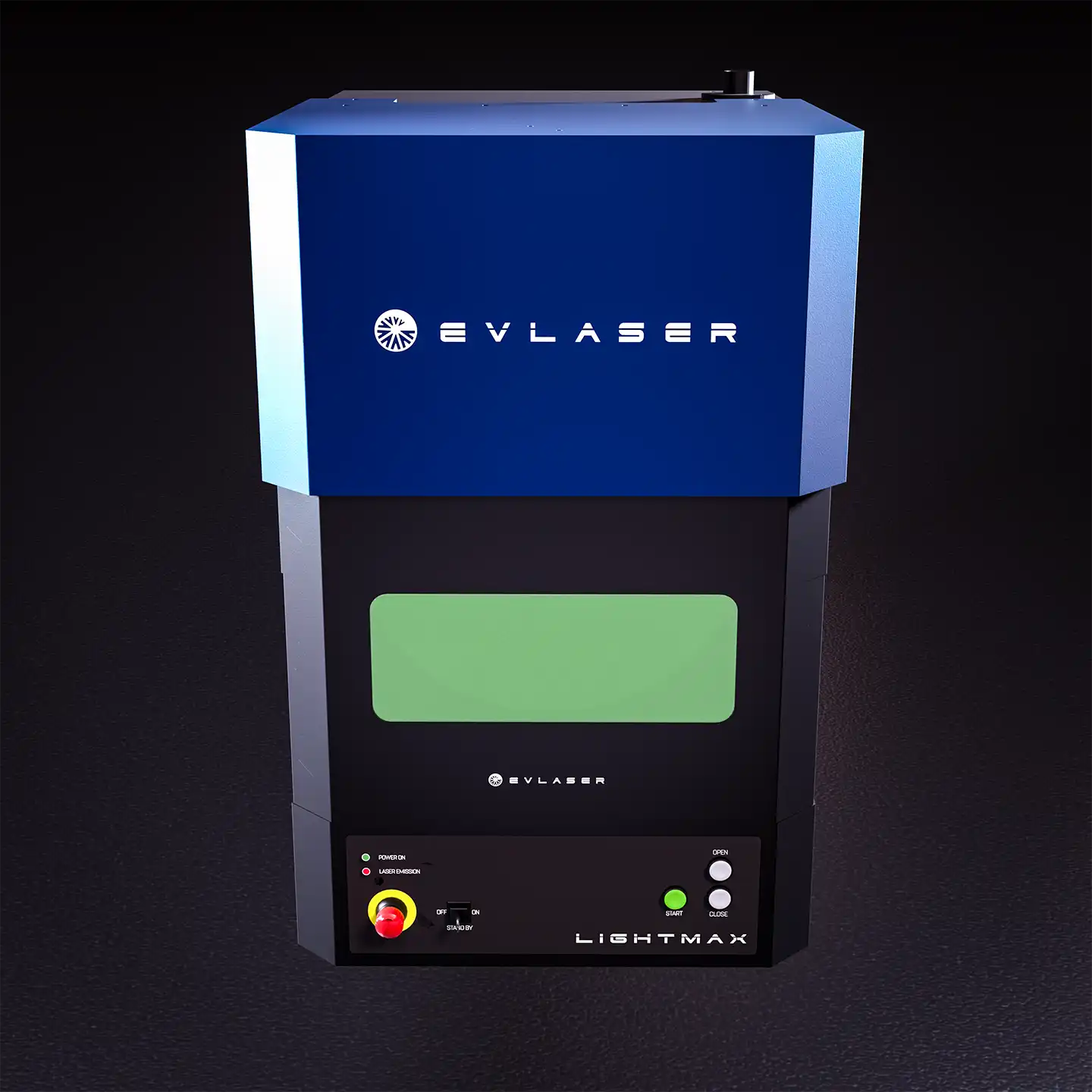
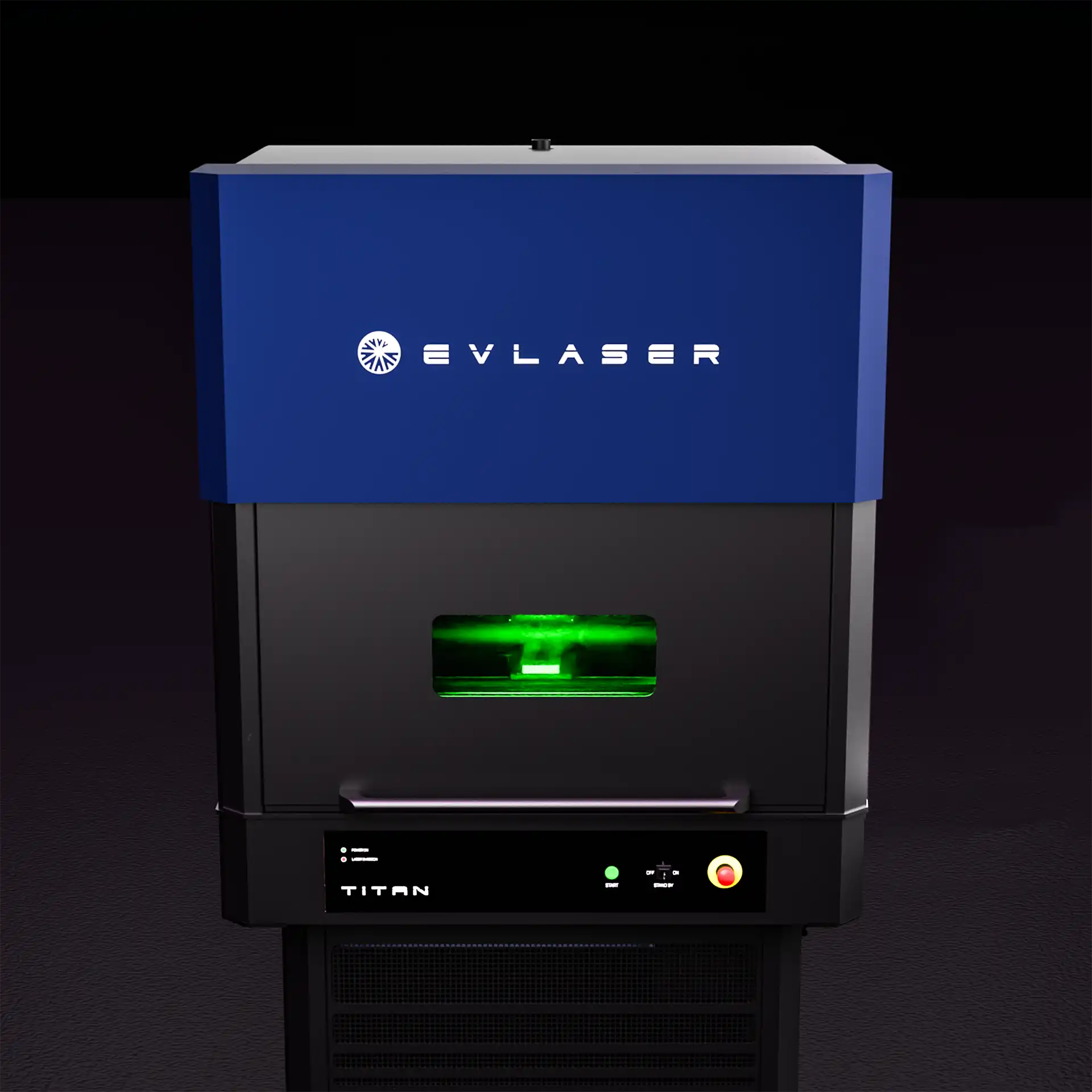
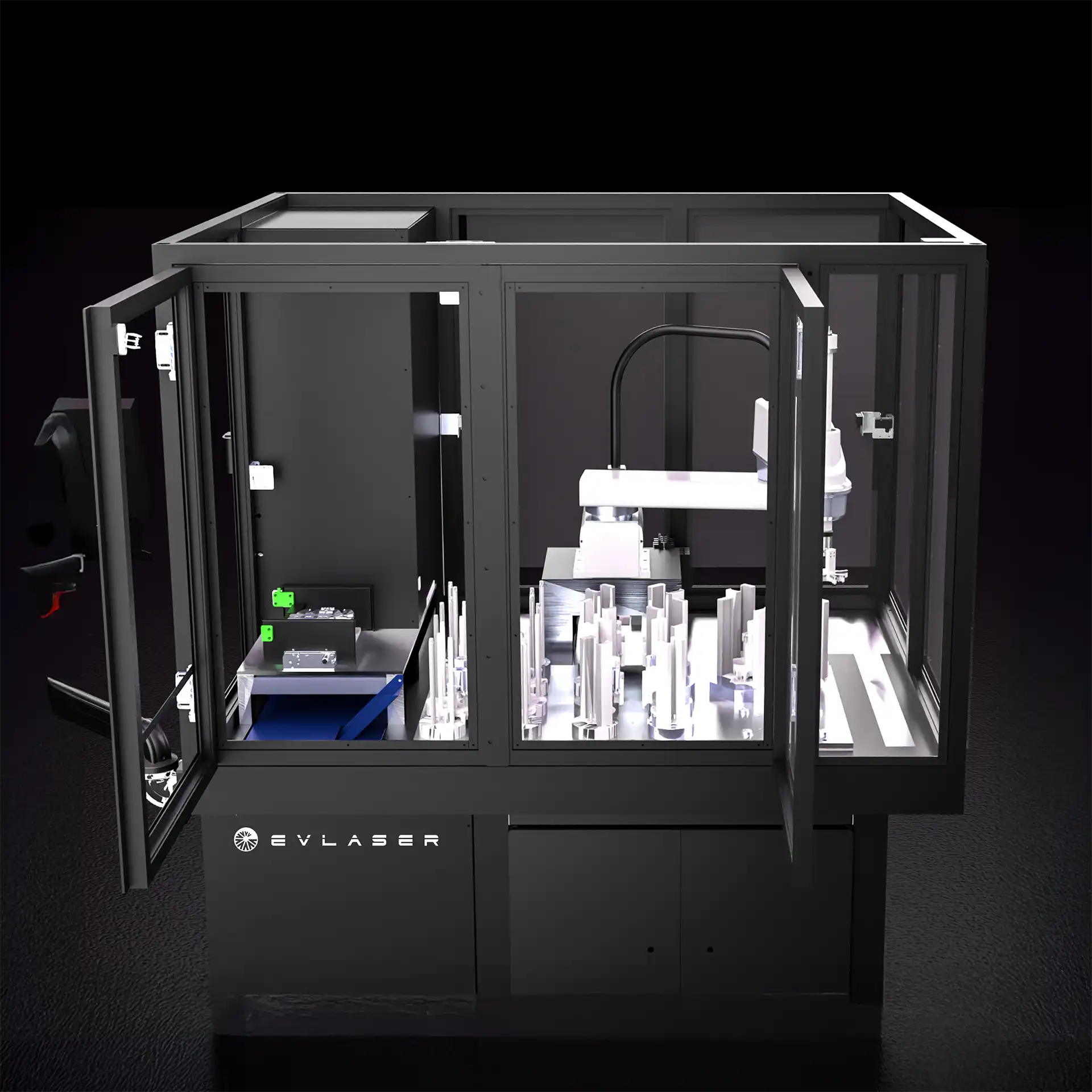
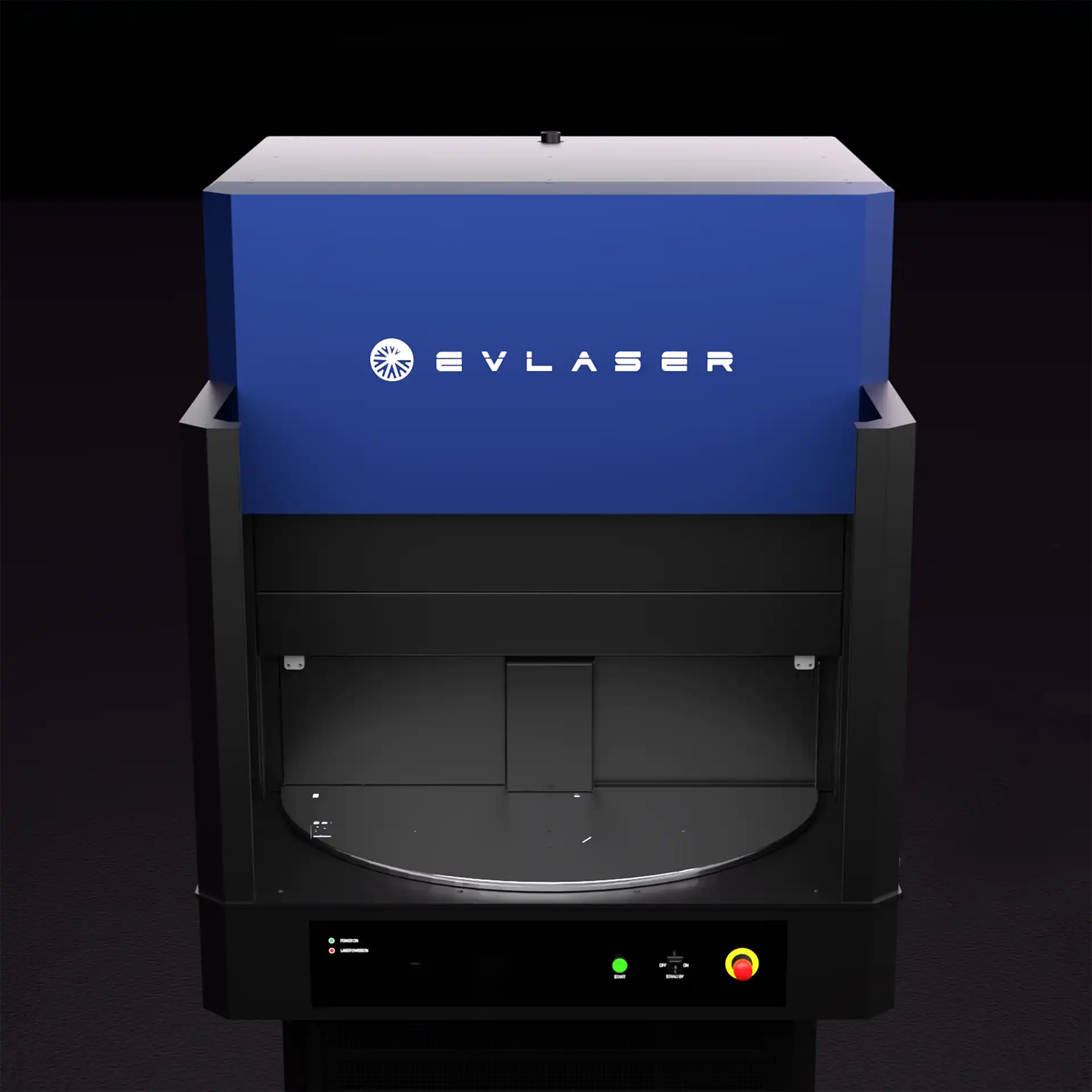
FAST AND EFFICIENT TECHNICAL SUPPORT

Our specialized team of Service Engineers guarantees comprehensive support for all your needs. We offer
THE BEST LASER SOLUTIONS FOR YOUR REQUIREMENTS
Fill out the form to discover how our industrial laser systems can optimize your production and improve work quality.
How can we help you?
If you haven't found what you were looking for, discover other industrial laser applications:
LASER ENGRAVING
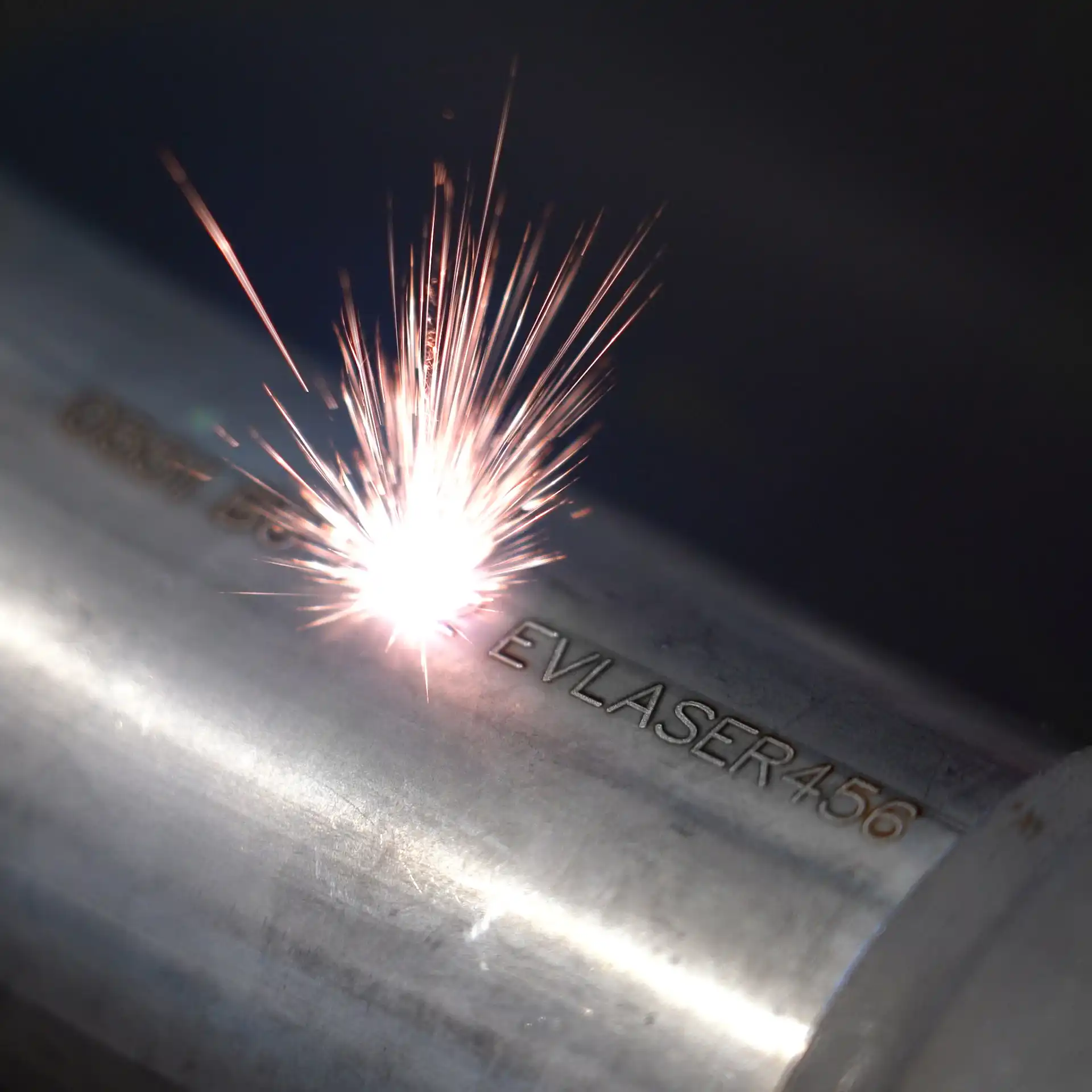
The laser engraving process, combined with deep engraving technology, delivers exceptional precision and quality for customization of corporate products, promotional merchandise, and professional materials.
LASER MICROMACHINING
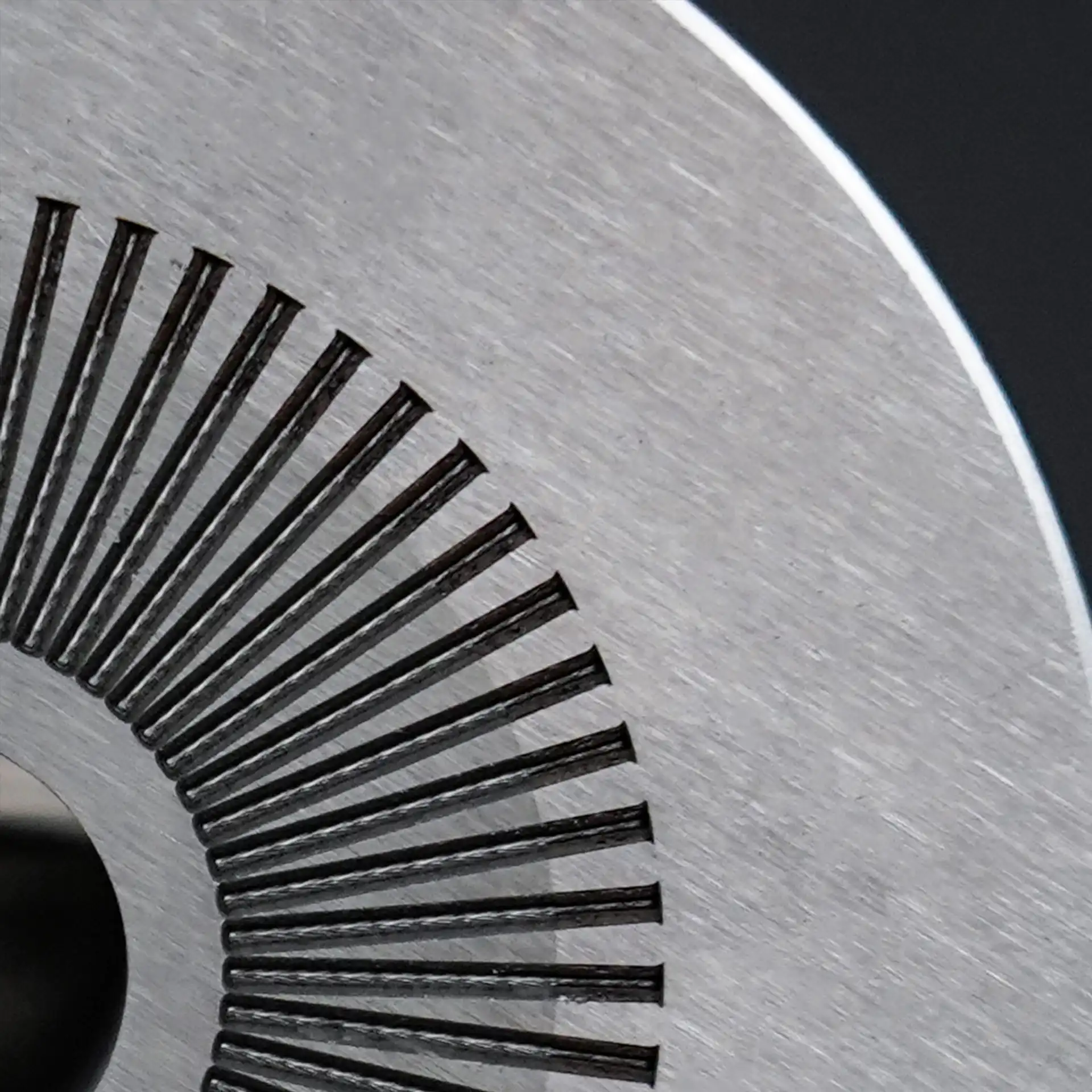
Laser micromachining enables precision customization at microscopic scale, ideal for manufacturing complex and detailed components.
Laser marking and engraving applications
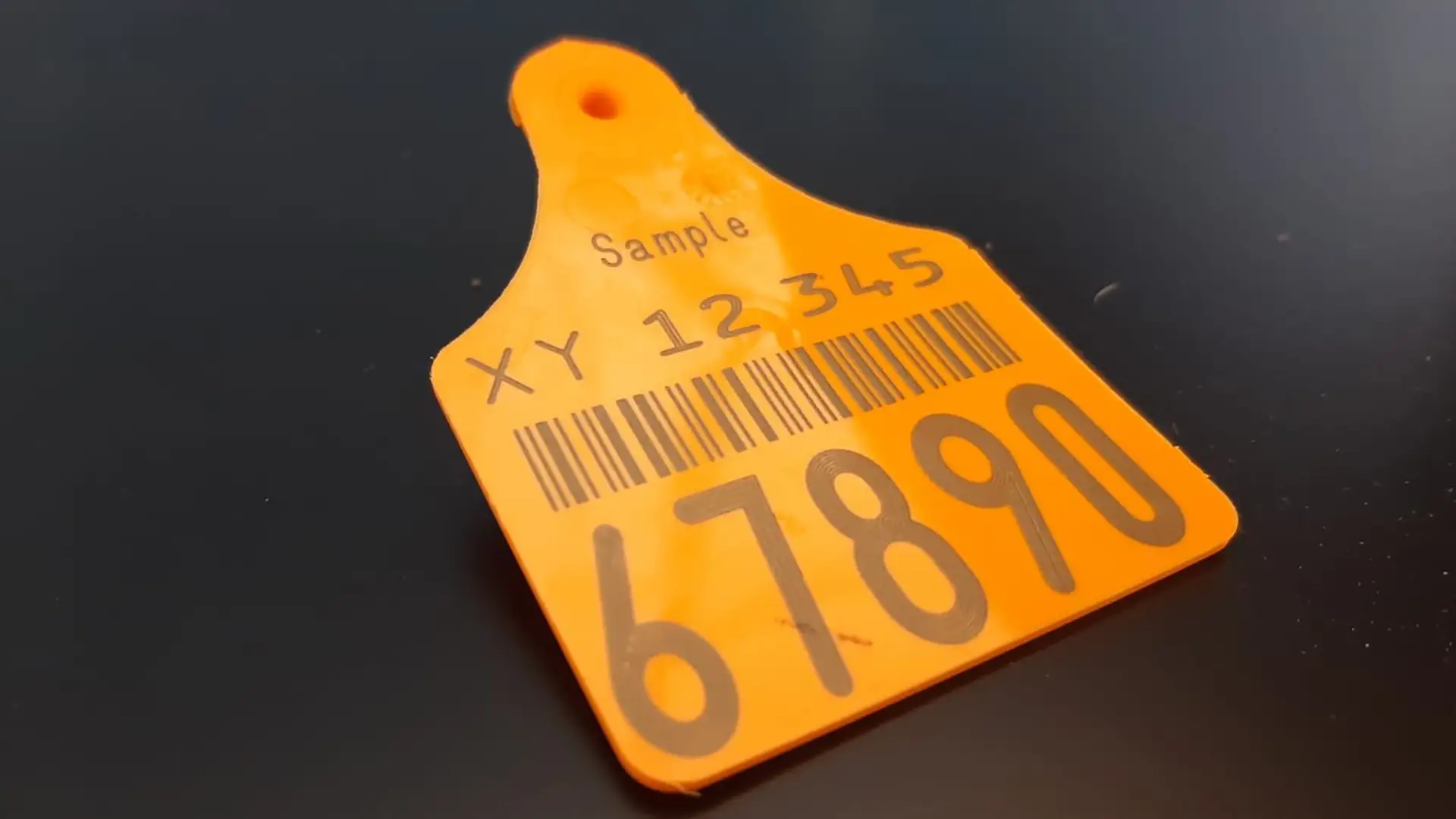
Laser marking for traceability
The traceability of industrial supply chains is increasingly a topic of primary importance in many sectors. Understanding how to keep the transformation and assembly processes of the product under control is the only way in some sectors to maintain the right level of quality.
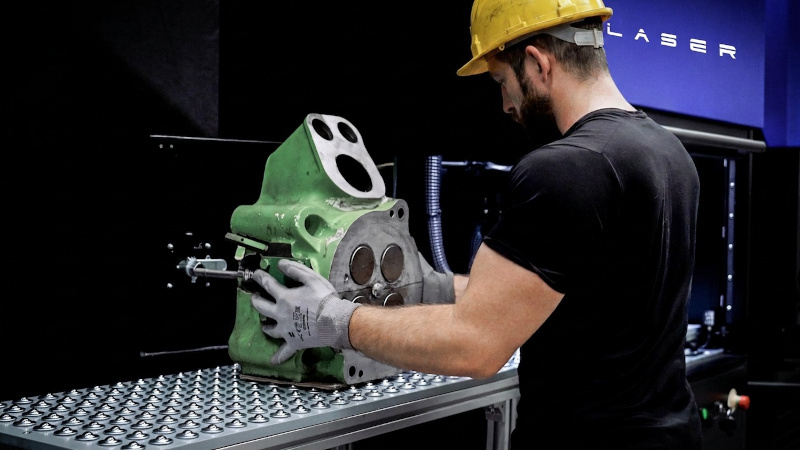
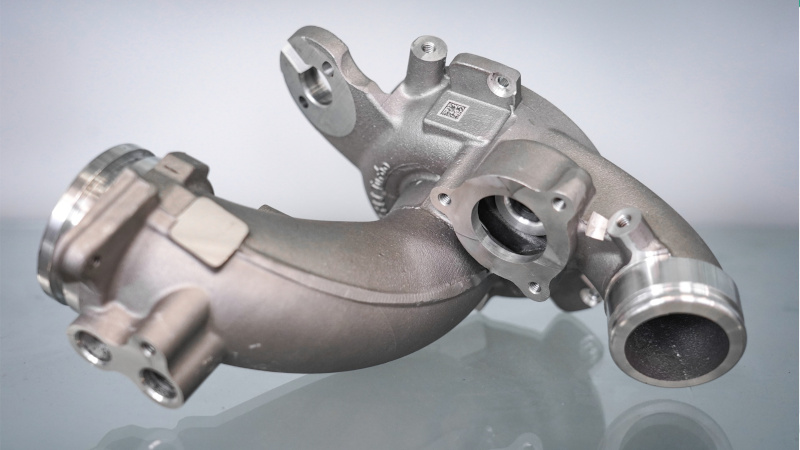
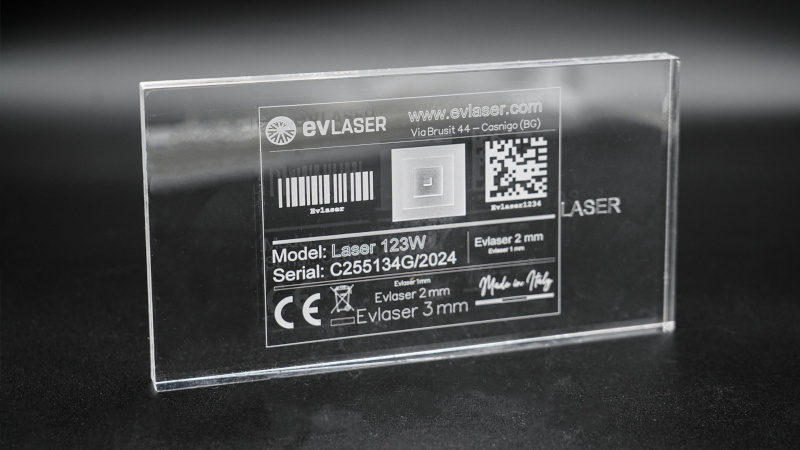
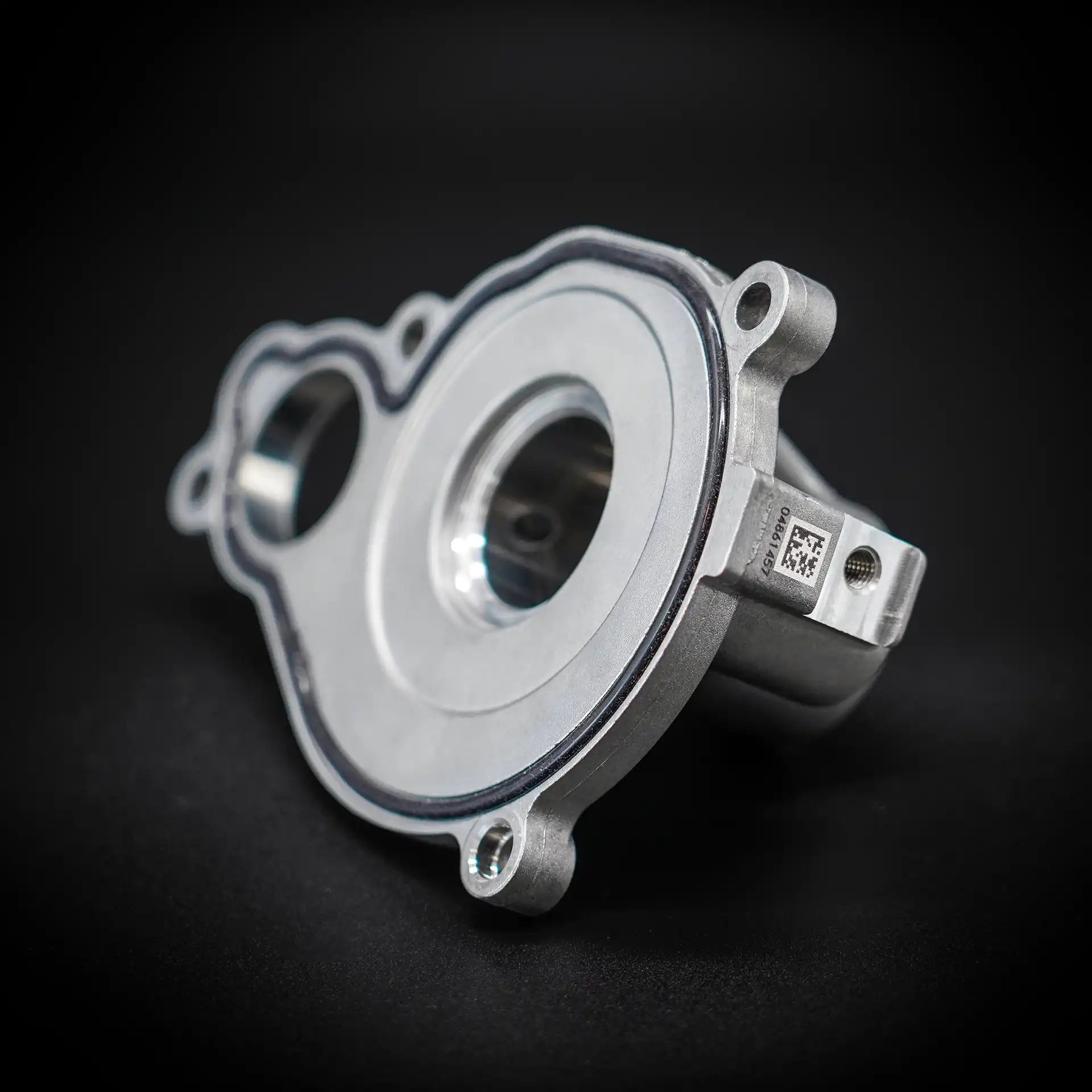
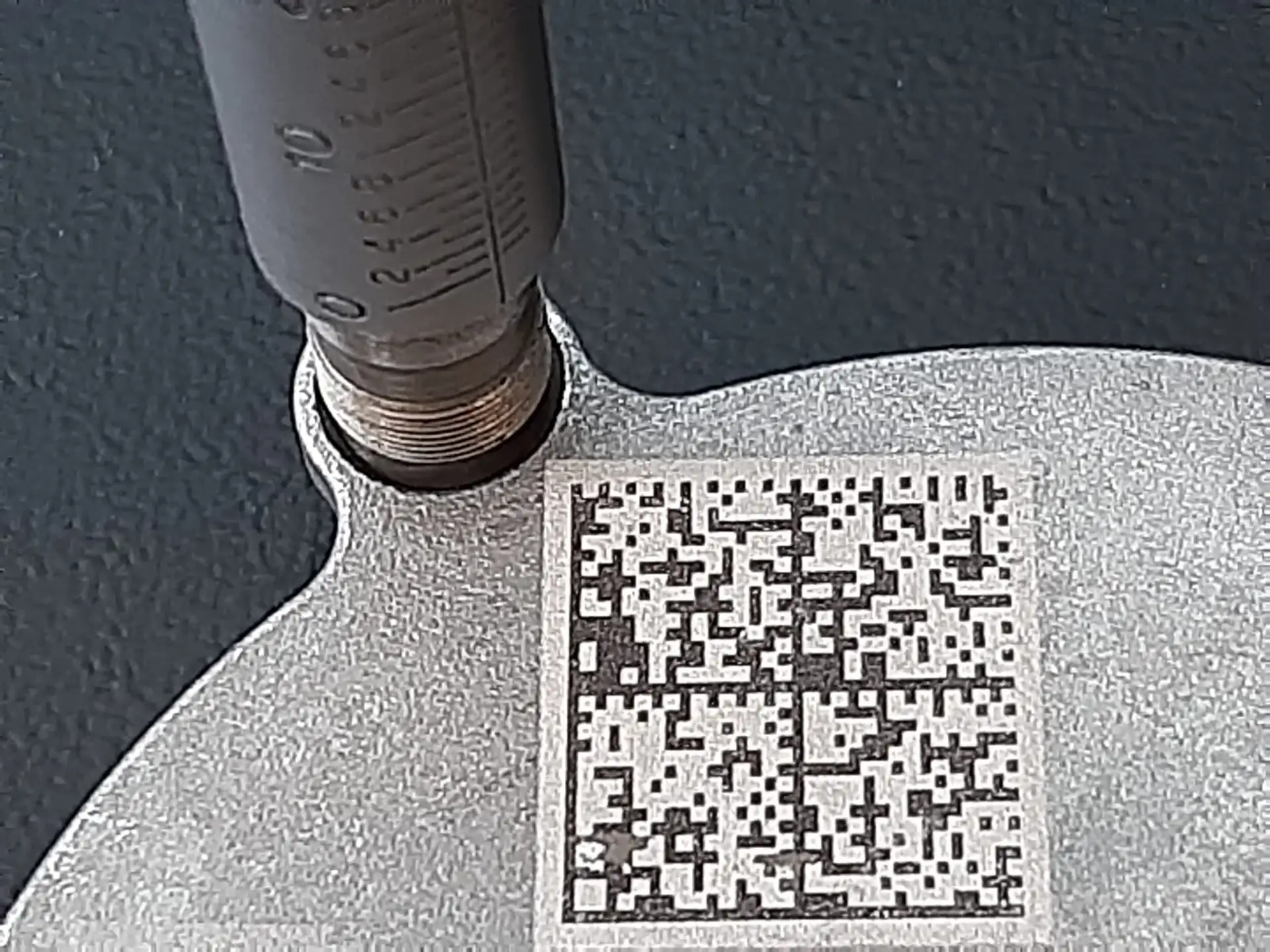
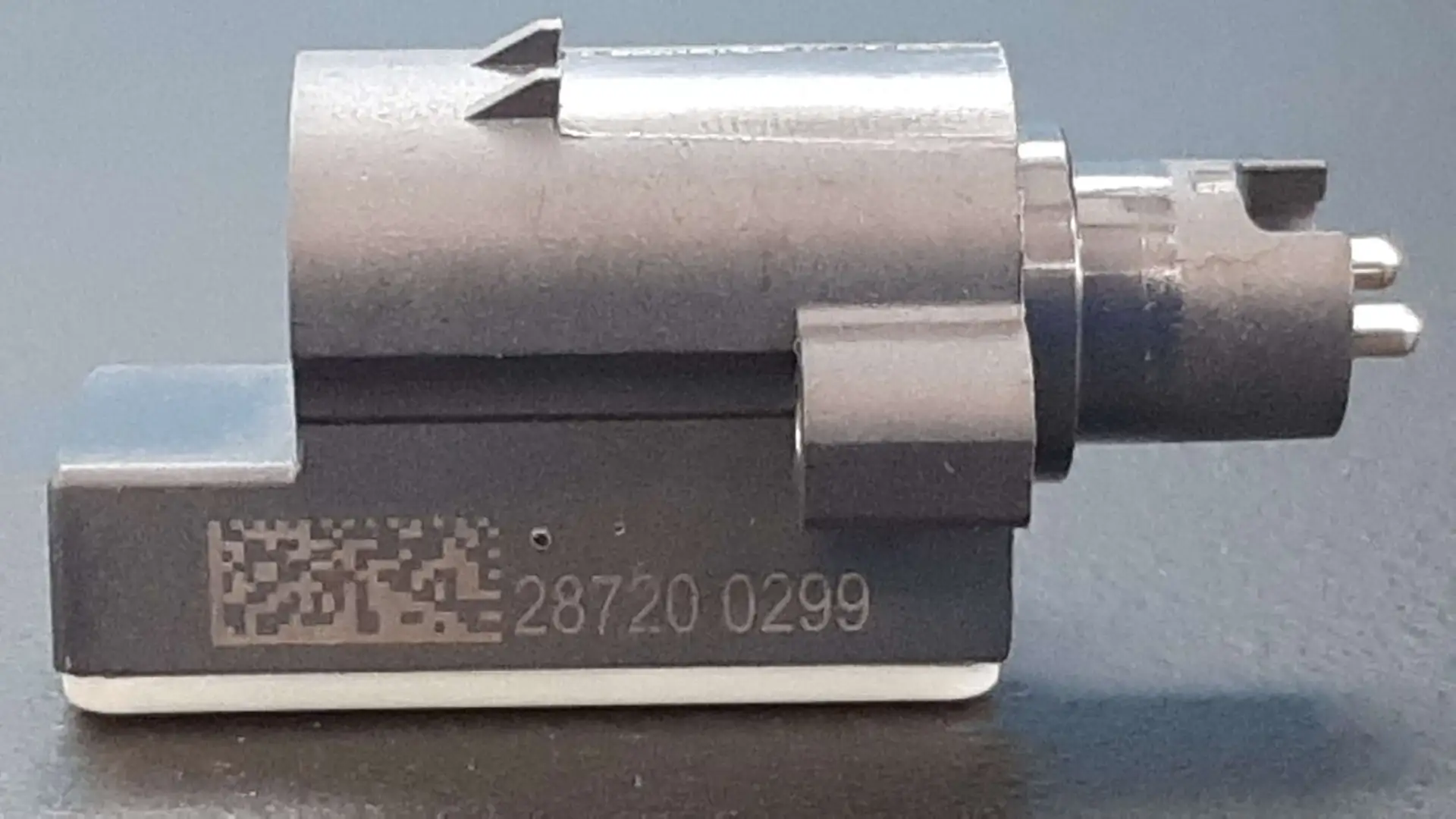
In this type of process, each component is identified with a serial or a lot number, which is usually stamped with a barcode, datamatrix or QR code. The laser is ideal for carrying out this type of processing on virtually any surface. The acquisition of this data through special readers during the production cycle and later during the life cycle, allows you to always keep the product configuration and its implications in terms of quality and safety under control.
The sectors of greatest interest for laser traceability applications are: Automotive, Aerospace, Medical, Food & Beverage, Pharmaceutical.
Laser marking of texts and logos
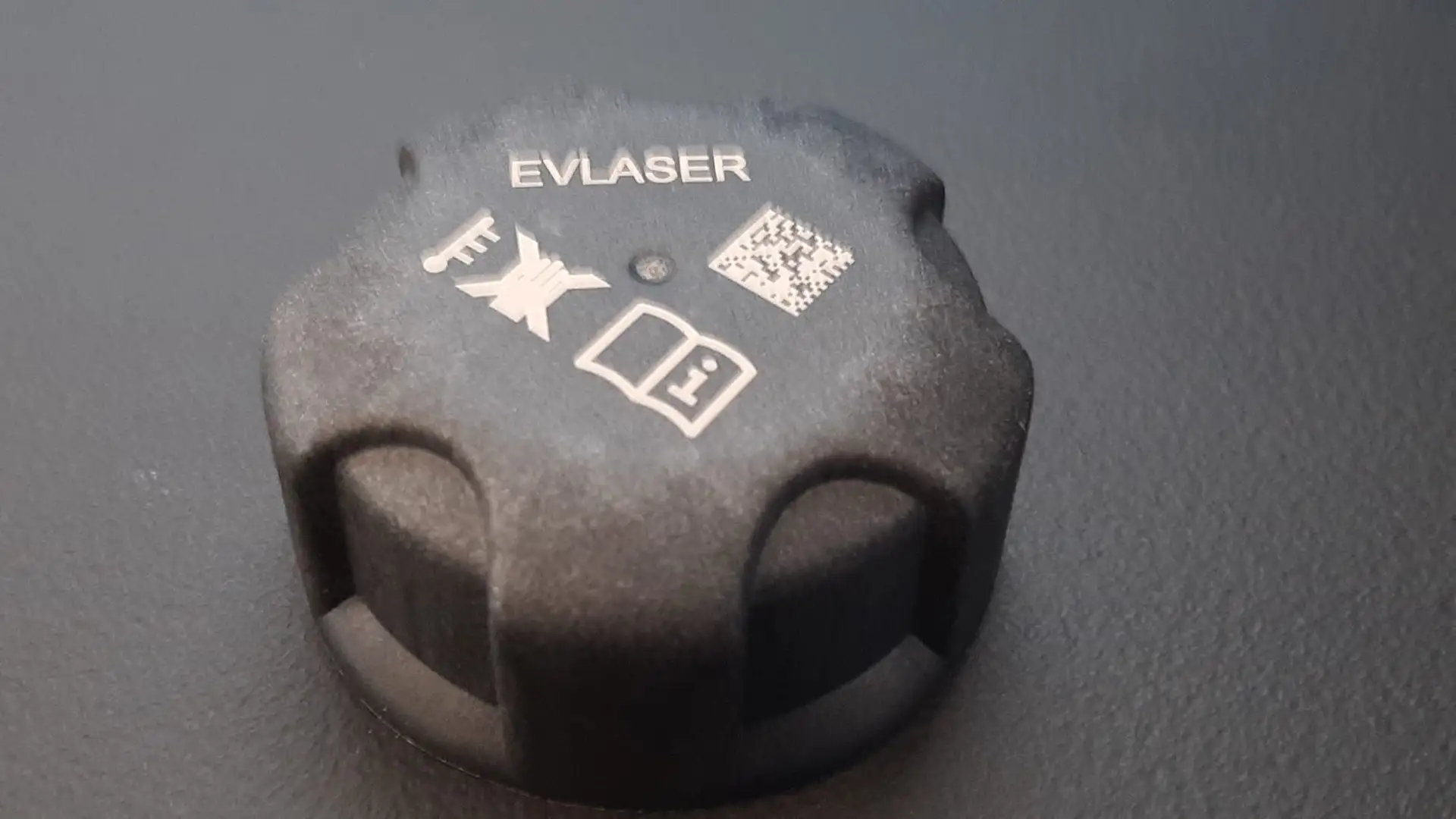
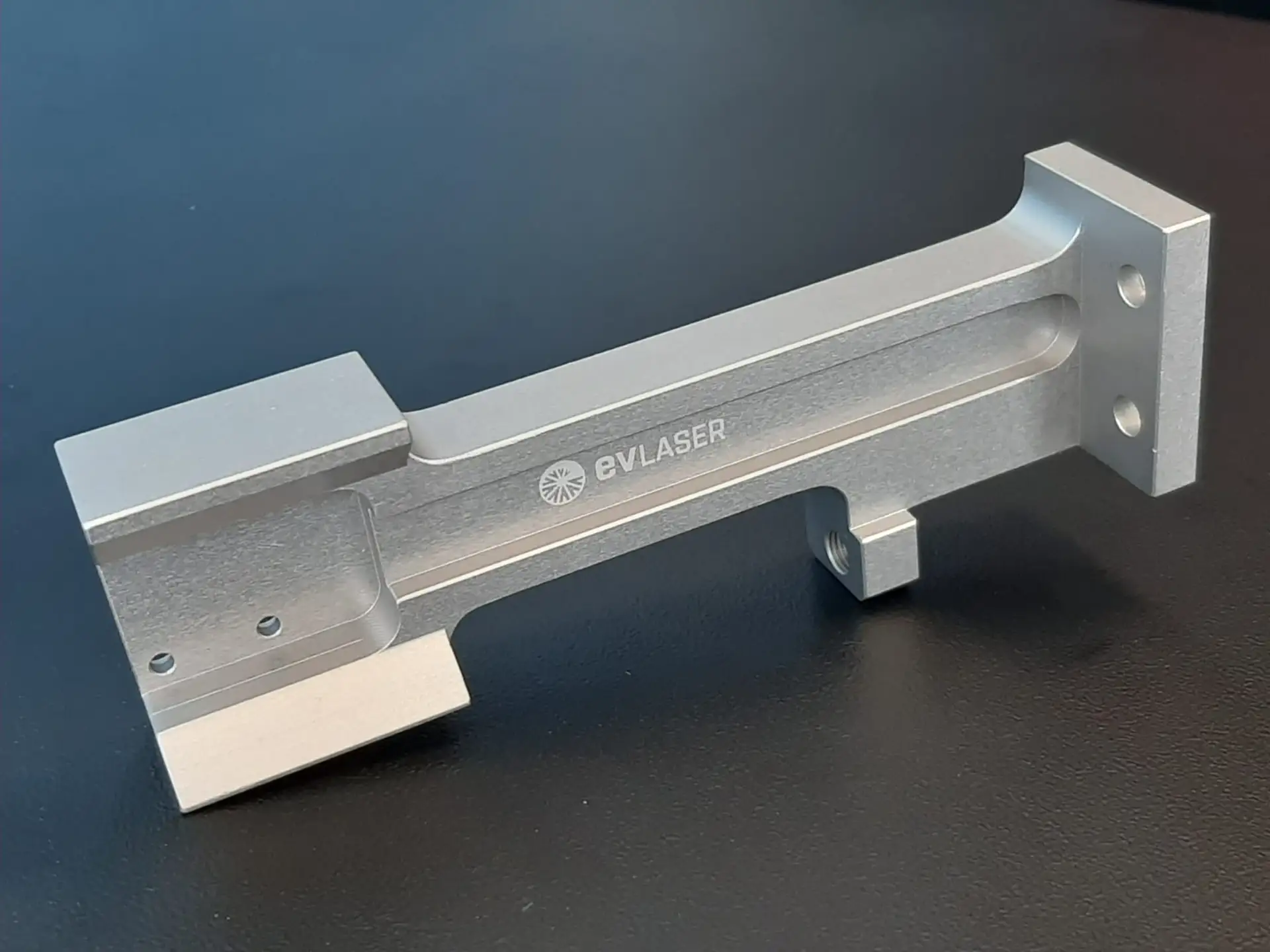
The marking of logos and texts on objects is one of the most common laser processing practices. The logo represents a company and that is why it is of great importance to make it visible. With laser marking it is possible to mark indelibly and clearly on extremely small surfaces or on objects that must be exposed to extreme external agents such as, for example, tools or marine equipment. Text marking is also important and is widely used in product customization and identification by coding. Many sectors use the marking of texts and logos. In particular we can mention those where the visibility of the branding is very important such as: fashion, jewelry, luxury, etc.
Functional laser marking
The functional processing of the surface of the material allows to vary the intrinsic characteristics of the object both of a chemical and physical nature and of an aesthetic nature. By exploiting these particular laser processes we can change the wettability characteristics of a material, of friction or of behavior with respect to the optical reflection of light.
The sectors of greatest interest for functional marking laser applications are: micromechanics, mechanics linked to fluids, watchmaking, etc.
Types of marking
Annealing
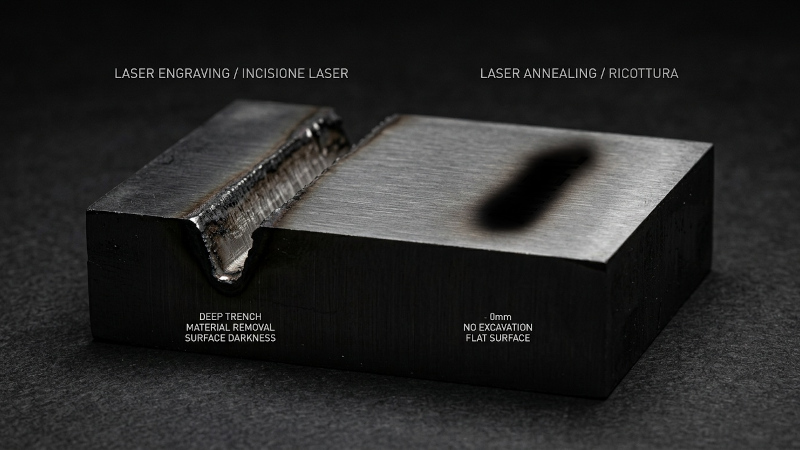
Annealing exploits the oxides that the molten material creates upon contact with oxygen to produce colouring without material removal. By varying the parameters of the source and with the formation temperature of the oxides (varying up to about 200 ° C), it is possible to obtain colored laser markings ranging from black to blue, from red to green. For temperatures over 200 ° C, on the other hand, the chromatic effect of the marking disappears. The advantage of using the tempering laser marking is that the surface is kept intact (important for example when there are mechanical couplings), excellent readability and resistance to abrasion are obtained. The optimal materials for this technique are steel and titanium, the more difficulties there are for aluminum and all non-ferrous metals in general.
Black Marking
Black Marking is a type of marking based on the principle of Laser tempering but which uses short pulse sources, mainly MOPA or USP sources, to create nanometric structures on the surface. The latter are able to guarantee an effective diffusion of the incident light, returning practically zero reflected radiation. A further advantage of this type of marking is that the short pulses generate very little thermal effect on the surface and this ensures excellent surface integrity and the remainder of a small amount of chromium capable of creating an oxide layer that tends to regenerate and therefore to maintain long-lasting marking over time. This important feature is widely used in the head of surgical instruments that require marking for traceability (UDI code for traceability required by European and FDA regulations) and which must be sterilized cyclically. This type of marking is therefore indelible and resistant to corrosion even in severe sterilization processes.
Another important feature is that this type of sources typically have very small spots and therefore allow very small or watermarked markings.
Night & Day marking (Laser marking for surface layer removal)
A common marking technique is that by removing a surface layer. In this case it can be paint, coatings or treatments such as anodizing which is often removed from materials such as aluminum.
In any case it is a question of using the laser to heat and then evaporate the surface layer leaving the underlying surface intact and clearly visible. This type of marking, called “night & day”, is highly visible as the contrast of colors is usually very marked and customizable in the colors and for this reason it is highly used in the automotive and consumer electronics fields for the design of components such as the interiors of car or the control buttons of the dashboards of electronic devices.
Foaming
Laser foaming is a technique used for marking plastics and is based on the fact that the pigments and additives contained in the plastic are heated and evaporated locally, inducing an oxidation of the carbon contained which generates CO2. The gaseous formation causes a surface foaming which creates the color change. Usually dark plastics turn white, while light plastics turn dark colors such as gray or black.
Marking for Carbonization
Laser carbonization is a marking method suitable for plastics and organic materials (paper, wood, leather). In this case, the laser radiation heats the surface, raising the temperature to such a point that the carbon bonds are broken and the natural carbonization process of the material is triggered.
On a visual level, Laser carbonization always leads to a darkening of the material (from gray, dark brown to black).
Laser Marking - Usable Materials
Glass

Wood

Carbon

Ceramic

Plastic

Steel

Paper

Cardboard

Gold

Copper

Iron

Leather

Metal
Laser marking of metals is one of the most widespread applications in the mechanical sector. The excellent results obtainable in terms of contrast and sharpness of the processing, accuracy of the markings (which can reach the micron in the most demanding applications) and the possibility of leaving the nature of the metal almost unchanged, make the Laser the optimal choice for most of the applications.
The marking processes also have characteristics of great resistance over time and allow to avoid corrosion phenomena.
Metals suitable for laser marking are:
- Stainless steel
- Special steels
- Aluminum
- Anodized aluminum
- Titanium
- Brass
- Copper
- Silver
- Gold
- Hardened metals
- Others
Plastic
Plastics are now fundamental in the creation of all sorts of products and it is therefore a need to be able to use the laser for product traceability, or to mark logos and writings. Plastics change their compatibility characteristics with laser radiation in an important way between the various families and types. This characteristic requires a careful choice of sources and technological solutions to be adopted.
The plastics that can be used for laser marking are:
- Polyamide (PA)
- Polycarbonate (PC)
- Polyethylene (PE)
- Polyethylene terephthalate (PET)
- Acrylonitrile-butadiene-styrene (ABS)
- Polypropylene (PP)
- PCB
- Mylar
- Silicone
- Others
Glass and ceramic
The processing of glass and ceramics is one of the most challenging due to the brittleness problems of the material and the normal insulation behavior it has with respect to heat sources. For many applications, lasers have replaced mechanical machining as the lack of a contact tool avoids waste related to cracks and fissures. Furthermore, even the maintenance costs of the tools are eliminated and the process times are much lower than traditional processes.
Furthermore, ceramic is a material increasingly used for electronics and sensor applications that require micromachining and that the laser can tackle with excellent results, challenging the fragility related to the various degrees of hardness of the material.
There are various sources for glass and ceramic processing, some examples are CO2 sources and UV sources, but more and more there is the use of ultra-short pulse sources (USP), which with the high peak energies of the pulses are able to accurately and quickly cut and engrave the hard surface. There are also special process measures, such as the adoption of specific spot formers that are able to limit thermal shocks and therefore allow the process speed to increase without creating waste and defects.
Organic (Wood, Leather)
Wood is an important material used for its versatility and wide availability. working with this material with the laser is simple and practical and it is possible to easily engrave both woods of all kinds (including painted ones), to create handicrafts, souvenirs, plates, pieces of furniture, toys, etc. The result that can be obtained is a clean and homogeneous marking that cannot be obtained with other woodworking methods.
Leather and hide are resistant and rigid materials, difficult for traditional processing. The laser marking of the leather produces a sharp contrast on the surface, with a tendency to embossing. A greater contrast is obtained with the incisions on darker skin, less in the case of fair skin. The results obtained depend on the type of skin, the laser being used, and the setting of the power, speed and frequency parameters.
Composite fibers
Composite materials are formed by combining several materials with different properties to obtain a new material with different properties and usually superior to the starting ones. Generally a matrix material is used to which a fiber is then added. The most common laser-machinable composites are fiber reinforced polymer composites (FRP), metal matrix composites (MMC) and ceramic matrix composites (CMC). The laser can be used with these materials to successfully engrave and cut the surface by creating shapes, holes and markings.
Advantages of Laser Marking compared to other technologies
Laser marking compared to other technologies offers important advantages that must be considered when choosing:
Contactless processing
Laser processing makes it possible not to use parts in contact with the piece, making them ideal for materials or products that require careful processing. Furthermore, having no contact tools there are no relative costs of wear and maintenance.
Respect for Nature (Green)
The marking process is environmentally friendly and does not use inks and chemical material that must then be disposed of.
Modern laser systems for marking consume less than a household appliance and certainly much less than many competing technologies, thus emitting less CO2 into the environment and being more respectful of nature.
Processing quality and precision
Laser marking is characterized by the quality and precision of the processing, as they use beams that can reach a few tens of microns. The details, the high contrasts obtainable and the chemical, thermal and corrosion resistance make the Laser the main technology for high-level and indelible marking applications over time.
Versatility
The possibility of processing any type of material, the easy integration on systems and lines and the digital nature of the Laser management process make it flexible to adapt to any process and suitable for highly customized products.
FREQUENTLY ASKED QUESTIONS
-

What is the difference between laser marking and laser engraving?
Although the terms are often used interchangeably, laser marking and laser engraving are two distinct...
Although the terms are often used interchangeably, laser marking and laser engraving are two distinct processes. Industrial laser marking modifies the surface properties of the material without removing significant amounts of matter. Depending on the substrate, the laser can generate contrast through oxidation, annealing, carbonisation, or foaming, creating permanent codes, logos, serial numbers, and identifiers with high legibility. Laser engraving, on the other hand, involves the controlled removal of material. The beam creates a groove or cavity that is perceptible to the touch, with variable depth depending on the power used and the number of passes. For this reason, it generally requires longer processing times than marking. Marking is particularly suitable for component traceability applications, serialisation, Data Matrix codes, and QR codes, where speed, precision, and automatic readability are fundamental requirements. Engraving, instead, is used when a deep mark with high resistance to abrasion, wear, sandblasting, painting, or other surface treatments is required. From a technical standpoint, marking preserves the dimensional integrity of the component, while engraving modifies the surface through material removal. The choice between the two technologies therefore depends on the application requirements, the material to be processed, and the level of permanence required for identification.
-
How much does a laser marking machine cost?
The cost of a laser marking machine varies based on several technical factors. Fiber laser...
The cost of a laser marking machine varies based on several technical factors. Fiber laser marking machines for metal marking typically start from a few thousand euros for entry-level systems, up to tens of thousands for advanced industrial laser marking systems. The main elements influencing the price include: laser power (20W, 30W, 50W, 100W), technology used (fiber laser, CO2, MOPA, UV), marking area, number of motion axes, and accessories such as vision systems and fume extraction. EVLaser industrial laser markers represent an investment that pays back quickly thanks to no consumable materials, low maintenance costs, and high production speed.
-
What materials can be marked with fiber laser marking machines?
Fiber laser markers are the most versatile solution for industrial marking and enable processing of...
Fiber laser markers are the most versatile solution for industrial marking and enable processing of a wide range of materials. They are ideal for all metals: aluminum (including anodized), stainless steel, carbon steel, chrome-plated steel, titanium, copper, brass, gold, silver, and metal alloys. They also work excellently on many plastics such as ABS, polycarbonate, polypropylene, polyamide, and PVC. Fiber laser technology guarantees permanent, high-contrast markings resistant to corrosion, ideal for industrial traceability applications in automotive, aerospace, medical, electronics, and hydraulics sectors. EVLaser machines with MOPA technology also offer the possibility of achieving black marking on aluminum and color marking on stainless steel.
-
How does laser marking work for industrial traceability?
Laser marking for industrial traceability is a permanent, non-contact process that uses a focused laser...
Laser marking for industrial traceability is a permanent, non-contact process that uses a focused laser beam to engrave identification codes directly onto components. It enables marking of DataMatrix codes, QR codes, 1D/2D barcodes, serial numbers, logos, and text with high precision.
-
What is a laser marker used for?
A laser marker is a tool used by companies to apply permanent and precise identification...
A laser marker is a tool used by companies to apply permanent and precise identification information onto components and products. Through a highly controlled laser beam, it is possible to engrave DataMatrix codes, QR codes, barcodes, unique numbers, technical texts, and logos without any contact with the part surface. In the industrial context, the laser marker is essential because it allows identification of every element with reliable and always readable data, supporting the entire traceability system and improving quality control throughout the supply chain. The markings obtained are stable over time and resist wear, chemicals, and high temperatures, thus ensuring information preservation even in the most critical conditions. Furthermore, laser technology integrates easily into automated production processes and management software, making batch management, material traceability, and data communication between departments simpler.
-
Which industrial sectors use laser marking?
Laser marking has become an essential technology in multiple B2B industrial sectors. In the automotive...
Laser marking has become an essential technology in multiple B2B industrial sectors. In the automotive sector, it is used for traceability of safety-critical components, marking of engine parts, transmissions, and electronic systems. The aerospace industry requires permanent markings on special alloys and certified components. The medical sector uses laser markers for surgical instruments, implantable devices, and equipment requiring repeated sterilization. Electronics employs laser marking for PCBs, miniaturized components, and semiconductors. Other key sectors include: hydraulics (valves, cylinders), plumbing fixtures, household appliances, industrial tools, pharmaceutical packaging, and food & beverage. EVLaser laser marking solutions are designed to meet the specific regulations of each sector, ensuring compliance with required quality and traceability standards.