Rust has always represented one of the main challenges in the maintenance of metal structures, from small industrial components to large infrastructures. While traditional removal methods rely on abrasive and chemical techniques that are often invasive and potentially harmful, laser rust removal has revolutionized the sector by offering a precise, sustainable, and efficient solution.
Thanks to its ability to selectively remove oxidation layers without damaging the underlying metal, this technology is emerging as the new benchmark for professionals and industries seeking high-quality results while respecting environmental standards and operational safety.
What is Rust and why does It form
Rust is the result of a redox (reduction-oxidation) chemical reaction between iron, oxygen, and water. In the presence of moisture, iron oxidizes by losing electrons (Fe → Fe²⁺ + 2e⁻), while the oxygen dissolved in water gains these electrons, forming hydroxide ions. The final product of this process is hydrated ferric oxide (Fe₂O₃·nH₂O), commonly known as rust—a porous and unstable substance that flakes off easily, exposing fresh metal to further oxidation.
Metals susceptible to oxidation include primarily iron and steel, but materials such as copper, aluminum, and bronze can also exhibit different forms of surface oxidation. Corrosion occurs more rapidly in humid, salty, or acidic environments, which are common in many industrial and marine conditions.

Traditional technologies for Rust Removal
Until a few years ago—and now increasingly rarely—rust removal was carried out using invasive physical or chemical processes. The most common methods included abrasive brushes, sandpaper, rotary grinders, sandblasting machines, and acid-based deoxidizing chemicals.
While effective in certain contexts, these technologies have several drawbacks:
- they often damage the underlying metal,
- they produce hazardous residues and dust,
- and they require time, labor, and advanced protective equipment.

How does Laser Remove Rust
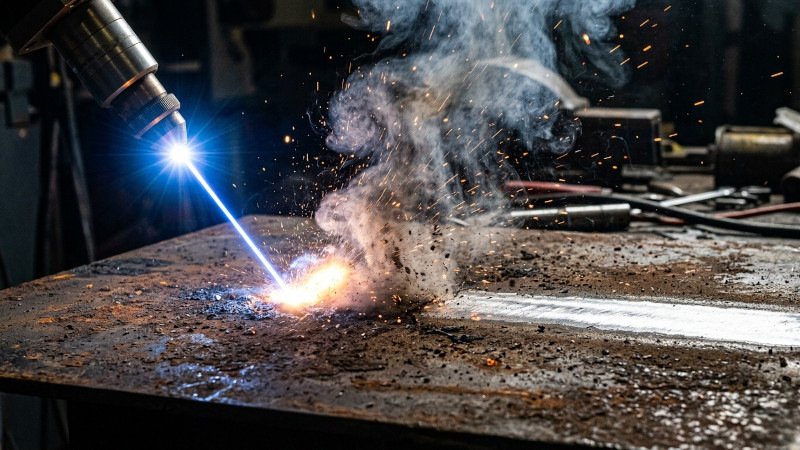
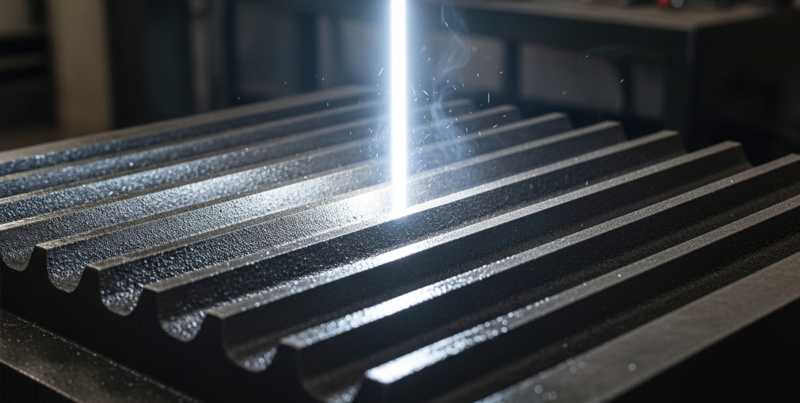
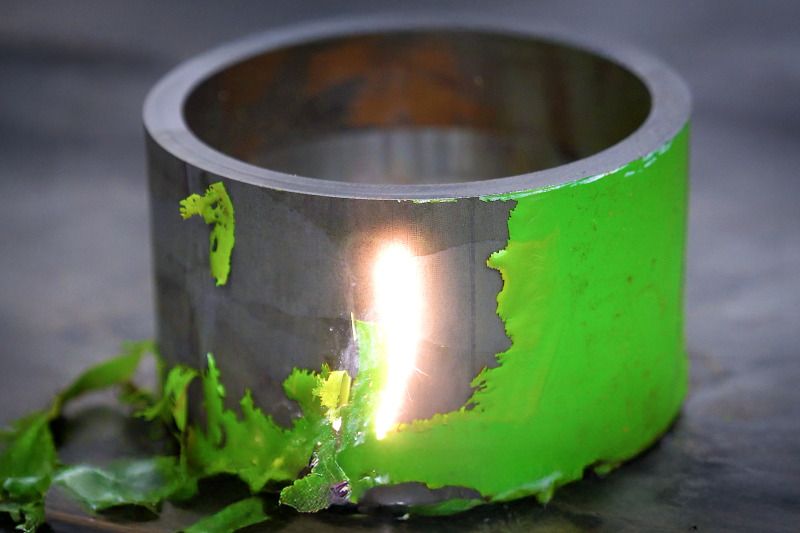
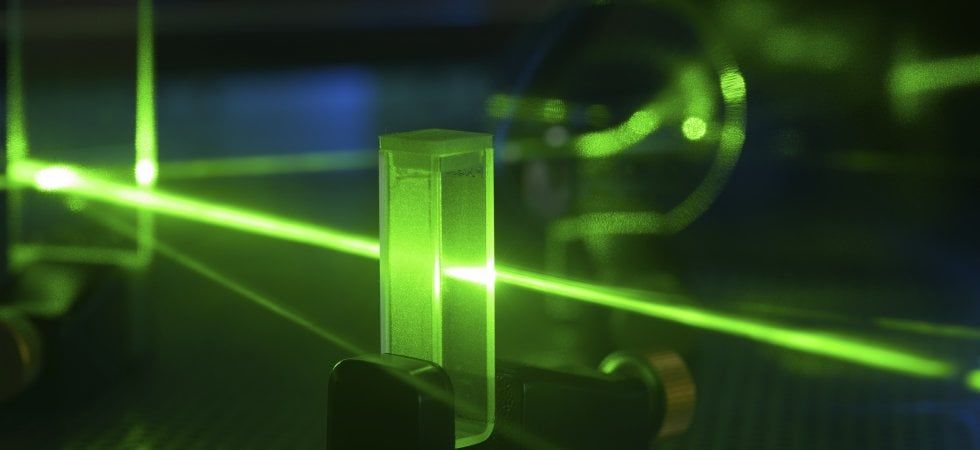
Laser rust removal technology uses a high-intensity beam to target the contaminated surface. Oxides, which have a higher energy absorption coefficient than metal, are rapidly heated until they reach their vaporization temperature. The underlying metal, on the other hand, tends to reflect the laser and therefore remains intact and unaltered.
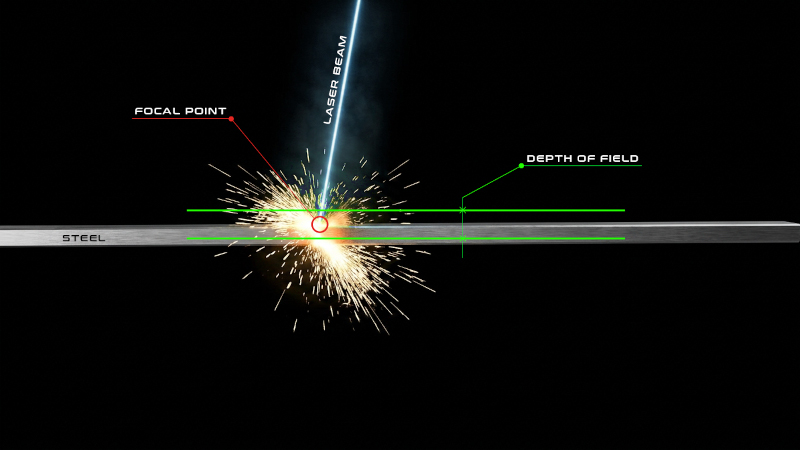
This mechanism relies on the principle of thermal selectivity and operates within an extremely precise three-dimensional range known as the depth of field.
Within this range, the energy is sufficient to remove rust but does not penetrate or damage the metal. The result is a clean surface, preserved in its structural properties and free from chemical contaminants or abrasive residues.
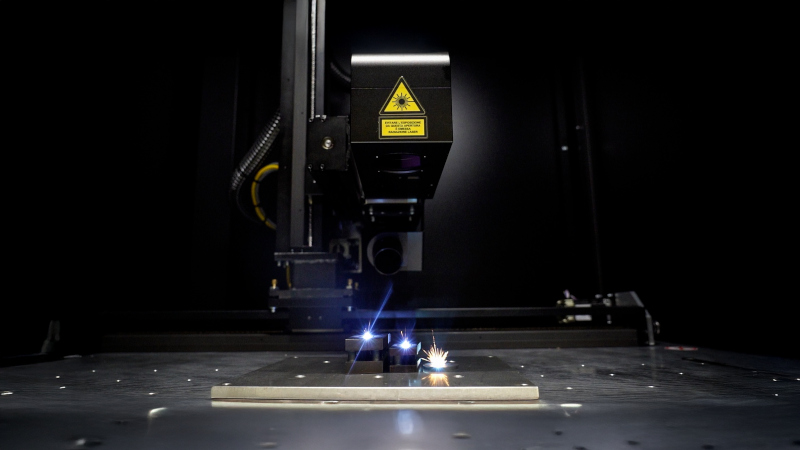
In the video it is possible to observe a laser rust cleaner in operation. The beam moves steadily across the metal surface, instantly removing the oxidized layer and revealing the shiny and perfectly preserved substrate. This is visual proof of the precision and effectiveness of this technology.
The various steps
To remove rust from iron using a laser, it is essential to follow a well-defined process.
First, it is important to ensure that the surface to be treated is clean and free of dust or debris.
Next, set the laser according to the thickness of the rust: higher power is required for thicker rust. During the operation, it is important to move the laser evenly across the surface, maintaining a constant distance to ensure effective removal without damaging the underlying metal.
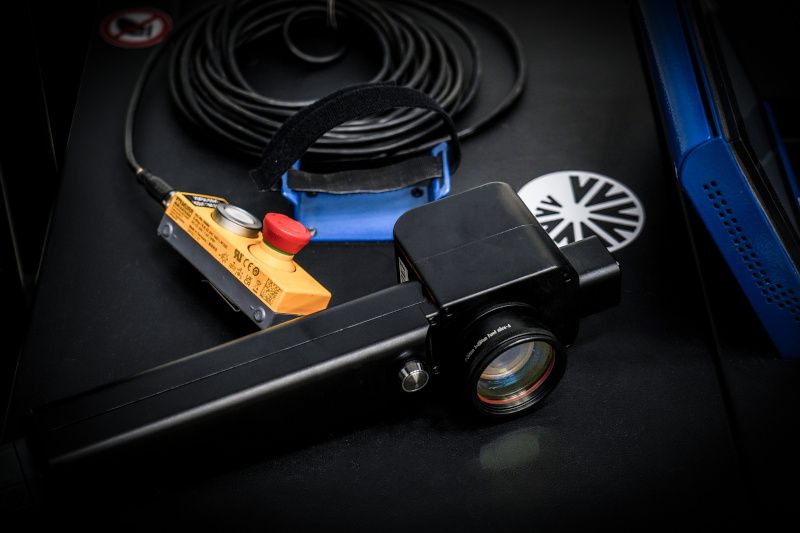
It is necessary to wear appropriate protective equipment, such as safety goggles to protect the eyes from laser radiation, a mask for fine dust, and to use an effective extraction system.
Finally, after rust removal, it is advisable to apply a protective treatment to prevent future oxidation.

Types of Lasers Used for Rust Removal
The choice of laser type is a crucial factor in the effectiveness of the rust removal process. The most widely used systems in the industrial sector are mainly based on three distinct laser technologies, each with specific characteristics that determine its optimal application.
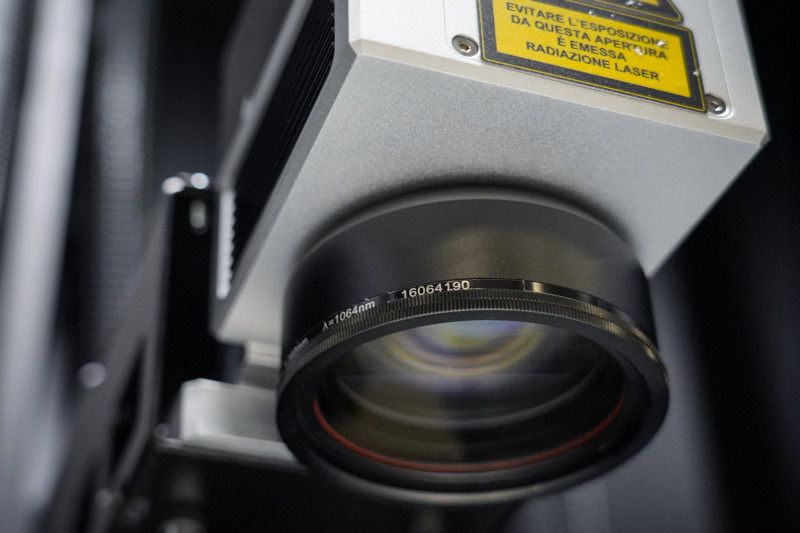
Fiber lasers (Fiber Laser) are currently the most popular solution for rust removal thanks to their high energy efficiency and a wavelength of 1064 nm, ideal for the absorption of iron oxides. These systems offer excellent beam quality, fast response times, and low maintenance requirements, making them particularly suitable for continuous industrial applications and portable systems. Their compact structure and operational stability make them ideal for demanding work environments.
Nd:YAG lasers (Neodymium-Yttrium-Aluminum-Garnet) represent a well-established and reliable technology, available in both continuous and pulsed configurations. Operating at the same wavelength as fiber lasers, they offer high peak power, particularly effective for removing thick and resistant oxidation layers. The pulsed version is especially suitable for precision applications on delicate materials, where strict thermal control is required to avoid deformation of the metal substrate.
CO2 lasers, although less common in this application, are used in specific operating conditions. With a wavelength of 10.6 μm, they exhibit different absorption compared to near-infrared lasers, making them sometimes more effective on oxides of non-ferrous materials or on surfaces with degraded organic coatings. Their ability to operate over large surfaces with uniform energy distribution makes them interesting for large-scale applications.
The selection of the appropriate laser depends on factors such as the type of metal to be treated, the thickness of the rust, the surface geometry, and the productivity requirements.
Process parameters such as power, galvanometer speed in the scanning head, frequency, and repetition rate must be calibrated according to the specific characteristics of the chosen laser in order to optimize removal effectiveness while preserving the integrity of the underlying metal.

Advantages of Laser Rust Removal compared to traditional methods
Using laser technology for rust removal offers benefits that no other method can provide simultaneously:
- No physical contact with the surface, meaning zero wear and no mechanical damage,
- Micrometric precision and complete control over removal depth,
- Total elimination of chemical substances and consumable materials,
- No toxic dust and full environmental compliance (green technology),
- Easy automation on robotic lines and adaptability to complex surfaces.

Applications and versatility of the Portable Laser Rust Remover
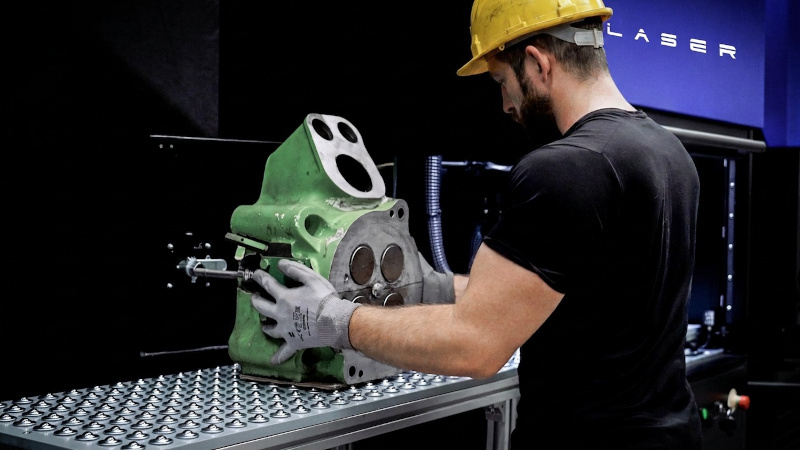
Portable laser rust removal systems are ideal for on-site maintenance operations. They are widely used in areas such as:
- Automotive industry (frame restoration, components, tools),
- Naval and railway sectors,
- Maintenance of industrial plants and metal structures,
- Architectural restoration and cultural heritage preservation.
Using a laser device for rust removal is a practical and efficient solution to reduce operational time and costs, eliminating the need for disassembly or transport to specialized facilities.
These portable systems stand out for their ease of use, high safety standards, and compatibility with even sensitive industrial environments.
See our Products
Laser Cleaning MachineHow much does a Laser Rust Removal system cost?
The cost of a laser rust removal system depends on several factors, including:
- the power (Watt) of the source,
- the type of optical scanner,
- and the portability of the device.
Prices start from several tens of thousands of euros for high-power industrial systems.
In return for the initial investment, the economic return is quick due to the drastic reduction in consumables, processing time, disposal costs, and safety-related risks.
Why use Laser to Remove Rust
Laser rust removal technology is now the go-to solution for those seeking a fast, precise, sustainable, and cost-effective method.
Unlike conventional methods, laser rust removal does not damage the surface, leave residues, or cause pollution.
It is a key tool for industrial, artisanal, and restoration sectors that wish to improve the quality of their work and reduce their environmental impact.